
Finding the best soap for eczema is one of the most searched questions in the skin care space — and for good reason. Eczema affects over 31 million Americans, and for many of them, the wrong soap is not just uncomfortable — it is the direct cause of flares, cracking, and the cycle of inflammation that never seems to fully resolve.
This guide covers what eczema actually is, which soap ingredients make it worse, and what the research suggests is the best soap for eczema-prone skin.
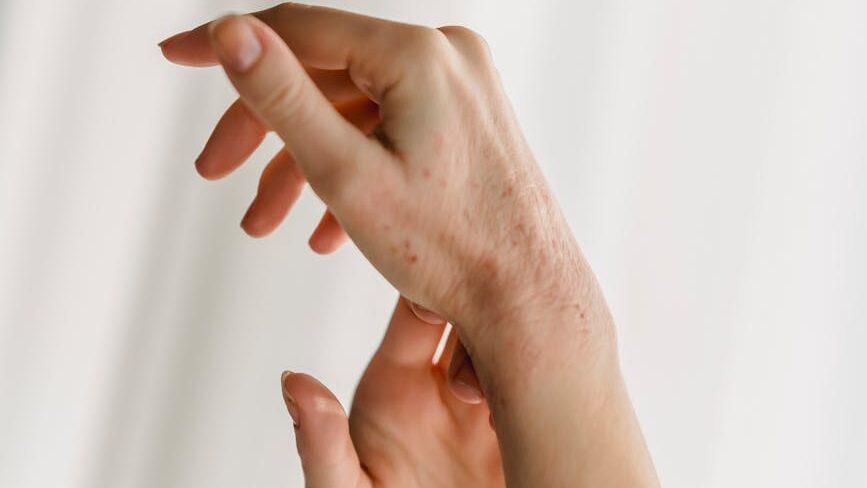
Eczema, clinically known as atopic dermatitis, is a condition in which the skin barrier is structurally compromised. People with eczema have lower levels of a protein called filaggrin, which is responsible for holding the skin barrier together and retaining moisture. Without adequate filaggrin, the skin barrier develops microscopic gaps — letting irritants, bacteria, and allergens in while moisture escapes out.
This is why soap matters more for eczema sufferers than for almost anyone else. An intact skin barrier can recover from the occasional harsh product. A compromised eczema barrier cannot. Every product that touches eczema-prone skin either reinforces the barrier or damages it further.
If you are searching for the best soap for eczema, the first step is identifying and eliminating what makes it worse. These are the most common offenders.
Sodium Lauryl Sulfate (SLS) A 2002 study published in the journal Contact Dermatitis demonstrated that SLS causes direct dose-dependent damage to skin barrier integrity. It strips the lipid layer that holds skin cells together and significantly increases transepidermal water loss — meaning skin dehydrates faster after SLS exposure. For eczema skin, this effect is amplified. SLS is in the vast majority of commercial soaps, body washes, and even products labeled “gentle.”
Synthetic Fragrance Fragrance is the number one cause of allergic contact dermatitis and is specifically flagged by the National Eczema Association as an ingredient to avoid. The term “fragrance” on a label can represent hundreds of undisclosed chemical compounds. For eczema-prone skin, any unknown chemical compound is a potential trigger.
Sodium Hydroxide (Lye) Residue Most commercial soaps are made from saponified oils with lye. When this process is done correctly, lye is not present in the finished bar. However, many mass-produced soaps are made with processes that leave alkaline residue, pushing the soap’s pH well above what eczema skin can tolerate.
Alcohol Drying alcohols such as SD alcohol or isopropyl alcohol are found in some liquid body washes marketed as “refreshing” or “oil-free.” For eczema skin, these are deeply damaging — they evaporate rapidly and strip any remaining moisture from an already-compromised barrier.
Artificial Dyes Colorants added for visual appeal serve no skin care function and are a well-documented source of contact allergies and irritation for people with eczema.
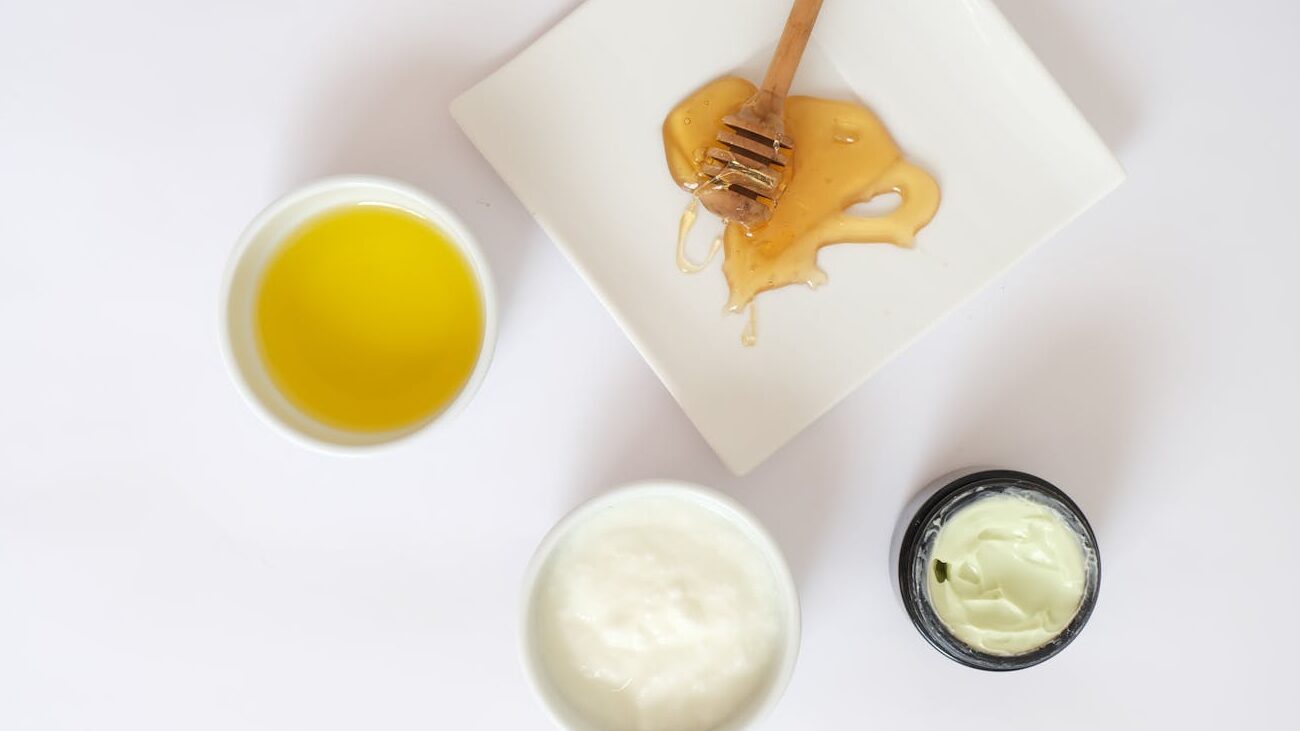
The best soap for eczema-prone skin contains ingredients that are pH-compatible with compromised skin, rich in fatty acids that reinforce the lipid barrier, and completely free of the triggering compounds listed above.
Goat milk consistently comes up in discussions about the best soap for eczema because of its unique compositional profile. Here is what makes it relevant:
When evaluating the best soap for eczema, these are the criteria that matter:
Even the best soap for eczema should be introduced carefully. Eczema skin can react to changes in products even when those changes are positive. For the first week, use the new soap only on a small patch of non-affected skin — the inside of the forearm is ideal. If no reaction occurs in five to seven days, introduce it to affected areas. Do not switch products during or immediately after a flare — wait until the skin has calmed before making changes.
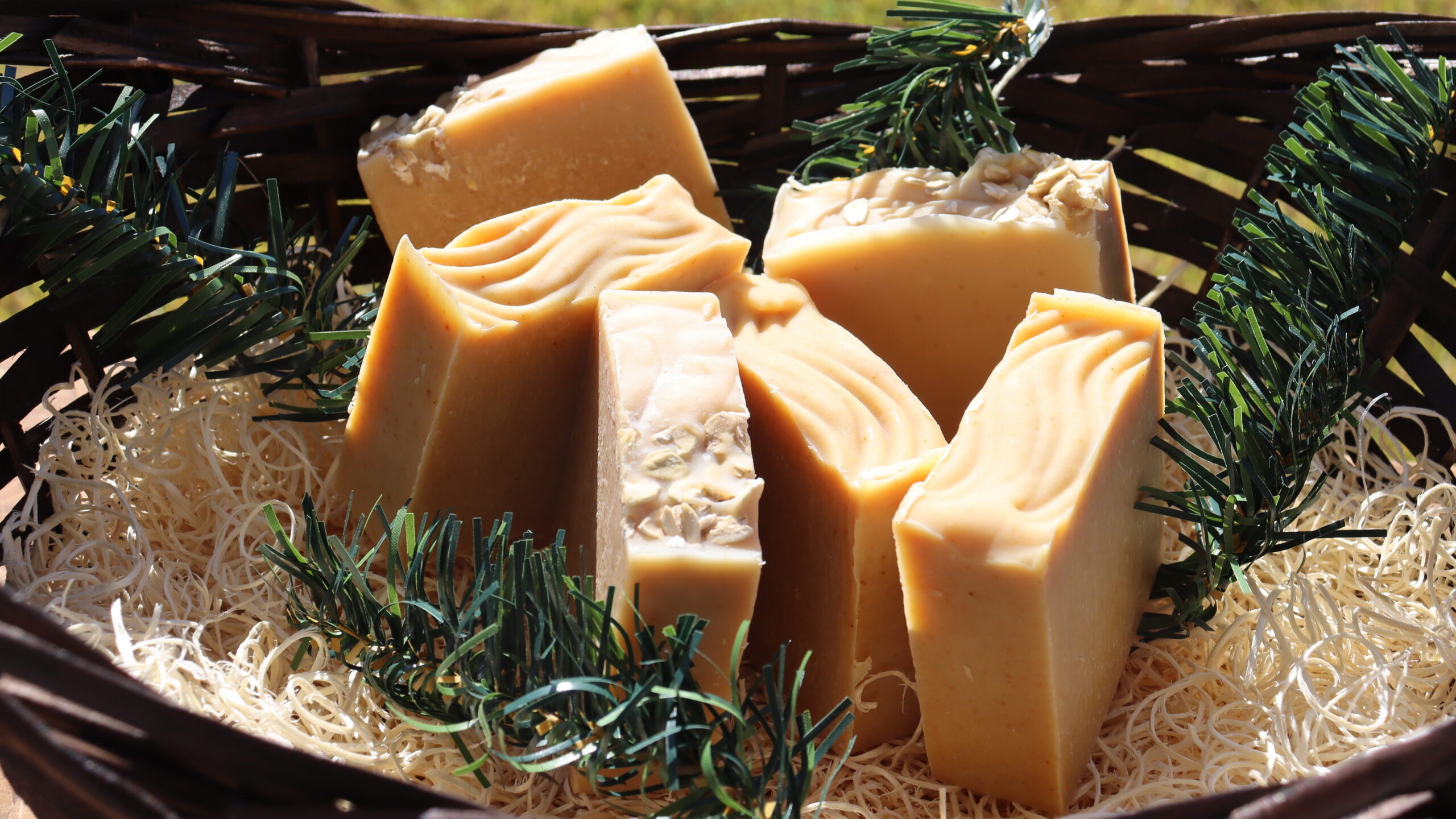
We built The Goat To Soap specifically around one principle: every ingredient in our bars is there because it supports skin, not because it is cheap to manufacture with. Our goat milk soap bars contain no sulfates, no synthetic fragrance, no parabens, and no artificial dyes. The ingredient list is short enough to read in under a minute — because we believe you should know exactly what you are putting on your skin.
For eczema sufferers specifically, we recommend starting with our unscented fragrance-free bar and giving your skin barrier four to six weeks to recover. The changes are not always immediate — repairing a damaged skin barrier takes time — but the difference is real.
The best soap for eczema is not a medicated product or a dermatologist-branded formula priced at $40. It is a soap that eliminates every known trigger, supports your skin’s natural barrier function, and uses the fewest possible ingredients to do so. Goat milk soap that is free from sulfates, fragrance, and synthetic additives is one of the most consistently recommended options — and the skin science behind why it works is solid.
Start by eliminating what is making it worse. The improvement that follows often surprises people who have been managing eczema for years.