


If your skin is always dry no matter what moisturizer you buy or how much water you drink, you have probably started to wonder if the problem is something more fundamental. You are right to wonder — and the answer is almost certainly something you do every single day without thinking about it.
Your soap.

Most people who struggle with persistent dry skin approach it as a moisture problem. They buy richer creams, drink more water, add a humidifier to their bedroom, and slather on body oil after every shower. Some of these things help temporarily. But within hours the tightness, flakiness, and dry patches are back.
That pattern — brief improvement followed by rapid return to dryness — is the hallmark of a damaged skin barrier, not a skin that simply needs more moisture. And the most common cause of a chronically damaged skin barrier is daily exposure to harsh surfactants in soap.
Here is what happens at a biological level. Your skin’s outermost layer is called the stratum corneum — a brick-and-mortar structure made of skin cells (bricks) held together by lipids, including ceramides, fatty acids, and cholesterol (mortar). This lipid matrix does two critical jobs: it keeps moisture inside your skin and keeps irritants outside.
When you wash with sulfate-based soap, the sulfate molecules — which are surfactants — bind to those lipid compounds and wash them away along with the dirt and bacteria you are trying to remove. Do this once and your skin recovers. Do it every day for months or years, and your skin barrier becomes chronically depleted. It cannot retain moisture no matter how much you apply externally because the structure designed to hold it in is broken.
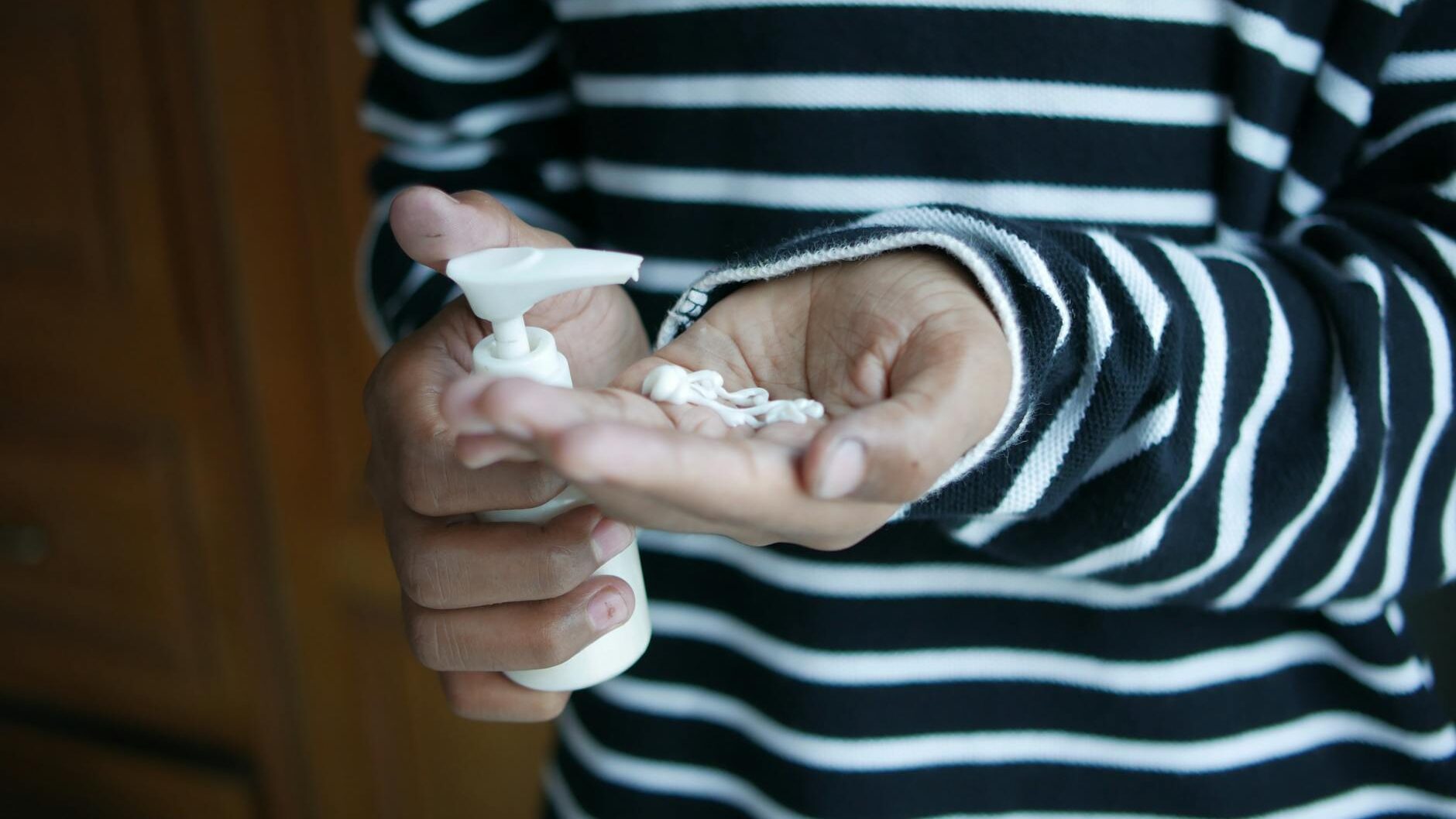
Here is a frustrating truth for people whose skin is always dry no matter what: applying moisturizer on top of a sulfate-damaged skin barrier is a bit like filling a leaking bucket. You add water, it runs out, you add more water. The moisturizer temporarily supplements what the skin cannot hold on its own — but it does not fix the underlying structural problem.
The only way to stop the cycle is to stop the damage at the source. That means changing what you wash with.
The simplest diagnostic test is a one-week soap elimination:
If your skin begins to feel less tight, less itchy, and less flaky within that window — and if your moisturizer suddenly seems to work better — your soap was the problem. You were essentially undoing the moisturizer every time you showered.
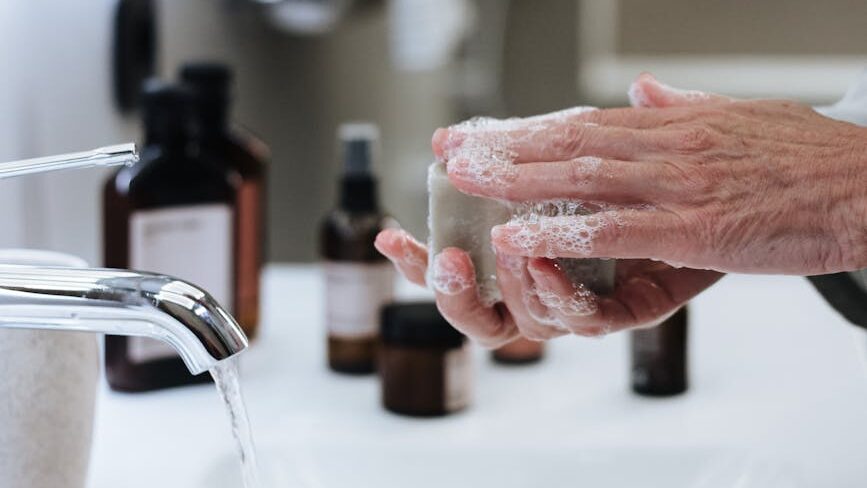
Most commercial soap bars and body washes contain:
Natural soap made from whole milk, plant oils, and nothing else contains none of these. Goat milk soap in particular provides a meaningful benefit for people whose skin is always dry no matter what because it adds back what sulfate soap removes.
The fat molecules in goat milk — particularly short-chain fatty acids — are structurally similar to the lipids in your skin barrier. Rather than stripping your barrier, they supplement it. The lactic acid in goat milk provides gentle exfoliation that clears away dead skin cells without mechanical scrubbing, which means fresh cells can absorb moisture more effectively.
At The Goat To Soap we use goat milk as a primary ingredient in every bar, alongside a small list of plant oils. Nothing else. No sulfates, no synthetic fragrance, no ingredients you need a chemistry degree to identify.

If you switch to a gentler soap and your skin improves but does not fully resolve, there are a few other factors worth addressing:
If your skin is always dry no matter what, the instinct to buy more moisturizer is understandable but usually treats the symptom rather than the cause. The most effective first step is the least expensive one: look at the ingredient list on your soap. If you see sodium lauryl sulfate, fragrance, or more than ten ingredients you cannot identify, you have found the problem.
Switch to a soap that works with your skin barrier instead of against it. Give yourself three to four weeks to see the difference. For most people, the chronic dryness that seemed impossible to fix begins to resolve on its own — once the daily damage stops.

