

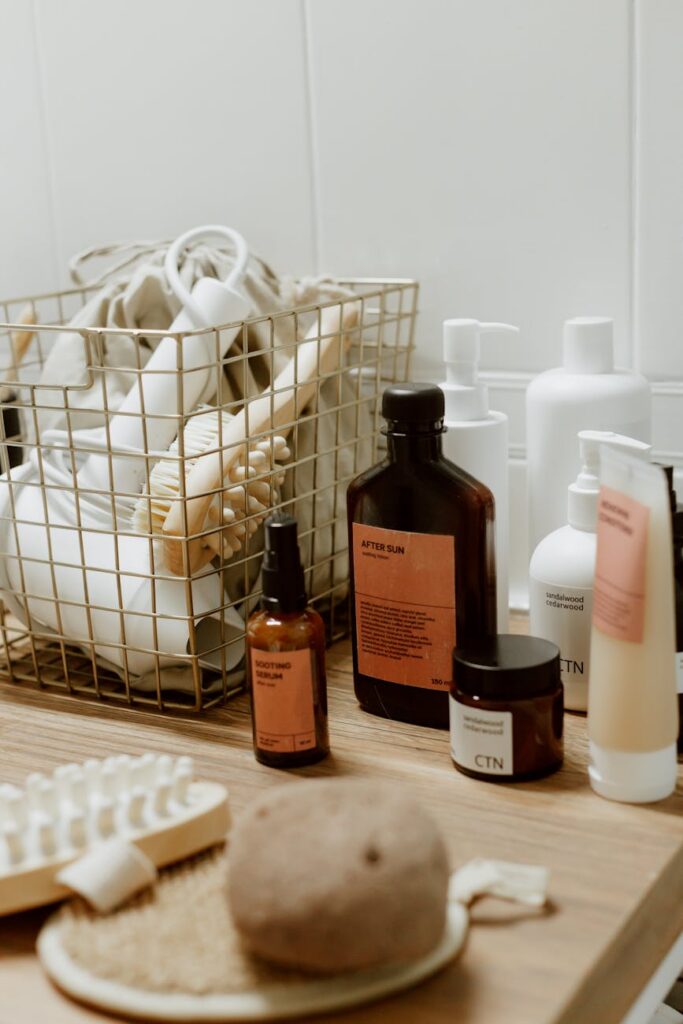
As awareness grows around the ingredients in everyday products, more people are realizing that what we use daily matters far more than we were ever taught.
From body soap and toothpaste to shampoo, perfume, and even the containers we store food in, many conventional products contain chemicals that can disrupt hormones, irritate skin, and accumulate in the body over time. The good news? Non-toxic living doesn’t require perfection or a complete lifestyle overhaul. It starts with small, intentional swaps that reduce your daily chemical exposure.
This beginner-friendly guide breaks down what non-toxic living really means, why it matters, and which swaps make the biggest impact—without overwhelm.

At its core, non-toxic living is about reducing exposure to harmful or questionable chemicals found in everyday products. It doesn’t mean eliminating all synthetic ingredients or living an extreme lifestyle. Instead, it focuses on minimizing unnecessary chemical load—especially from products we use daily and absorb through the skin or inhale.
Many modern products were designed for convenience, shelf life, and cost efficiency—not long-term health. Over time, repeated exposure to certain chemicals has been linked to:
Non-toxic living is about making safer, more transparent choices that support long-term well-being.
If you’re new to non-toxic living, the bathroom is the most effective place to begin. Why?
Even a few thoughtful changes in this space can dramatically reduce daily chemical exposure.

One of the easiest and most impactful steps in non-toxic living is switching your body soap.
Many commercial soaps are actually synthetic detergents. They often contain sulfates, artificial fragrance, preservatives, and dyes that strip the skin’s natural oils and disrupt its pH balance.
Natural body soaps—especially those made with goat milk—offer a gentler alternative by:
Because soap is used daily and over the entire body, this single swap can make a noticeable difference in skin comfort and overall exposure.
Toothpaste is often overlooked in non-toxic living conversations, but it’s one of the most important swaps.
Conventional toothpaste may contain:
Since toothpaste is used in the mouth—where absorption is high—choosing a cleaner formula can significantly reduce unnecessary chemical intake.
Non-toxic toothpaste options often use:
For non-toxic living, this is a high-impact, low-effort upgrade.

Hair care products are another major source of daily chemical exposure. Traditional shampoos often rely on sulfates for foaming and synthetic fragrance for scent—both of which can irritate the scalp and disrupt natural oil production.
Non-toxic shampoo and conditioner options help by:
If you’re transitioning to non-toxic living, it’s normal for hair to go through an adjustment period as it rebalances. Stick with it—most people see healthier hair over time.
Non-toxic living extends beyond personal care into how we store food and beverages.
Plastic containers—especially when heated—can leach chemicals into food. Some of these chemicals are known endocrine disruptors that interfere with hormone regulation.
Switching to glass containers helps:
This swap is especially important for leftovers, meal prep, and beverages consumed daily.
Fragrance is one of the least regulated categories in consumer products. A single “fragrance” label can legally hide hundreds of undisclosed chemicals.
For people embracing non-toxic living, fragrance is often one of the biggest game-changers.
Cleaner alternatives include:
Reducing synthetic fragrance exposure can help with headaches, hormone balance, respiratory irritation, and skin sensitivity.
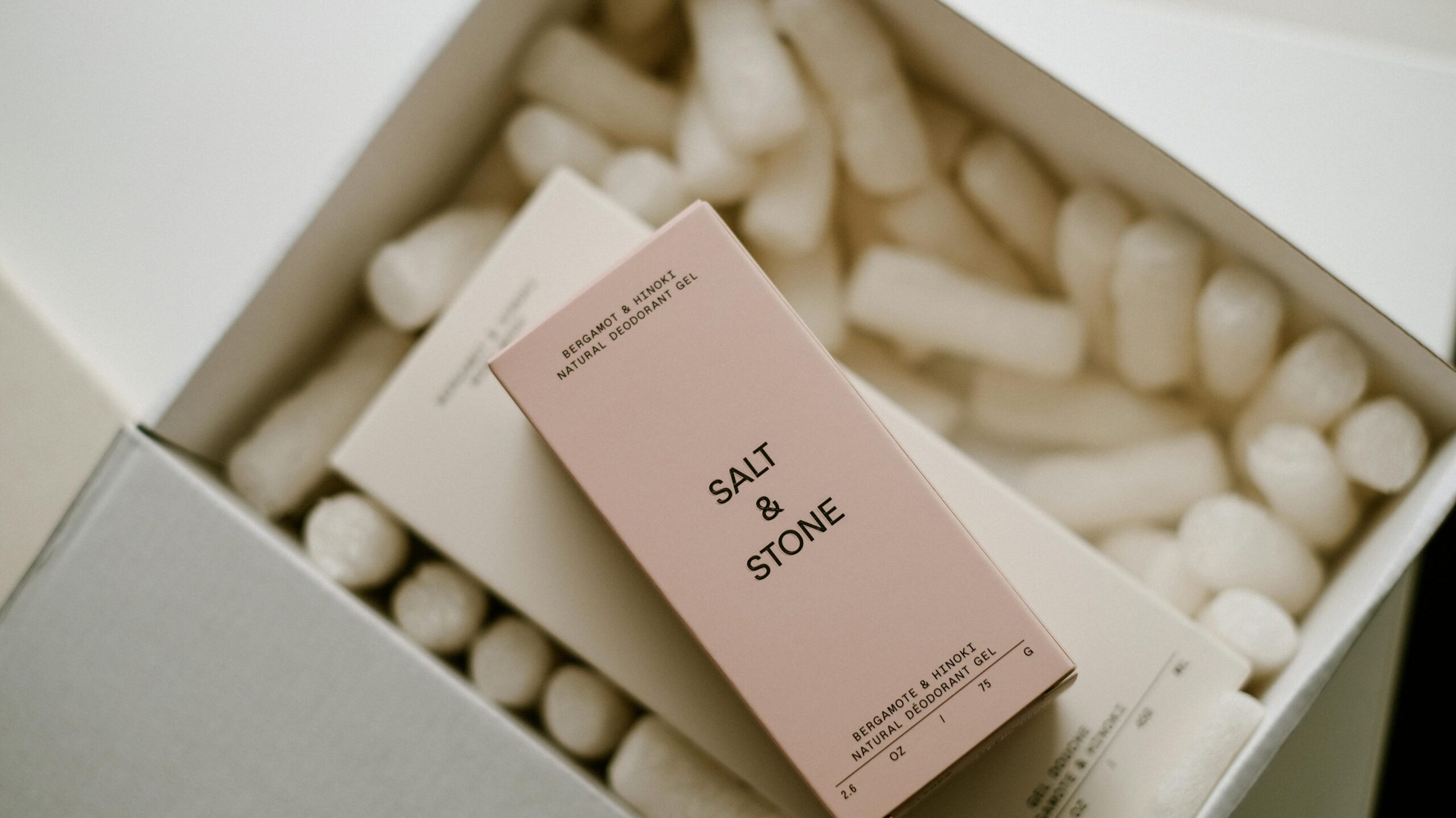
Beyond the big items, non-toxic living also includes everyday essentials such as:
These products are applied frequently and often left on the skin for hours. Choosing formulas with fewer, recognizable ingredients helps lower cumulative exposure.
The skin is the body’s largest organ, and it absorbs a portion of what we apply to it. When harsh chemicals are removed, the skin can:
This is why many people notice improvements in dryness, eczema, and sensitivity after adopting non-toxic living habits.
One of the biggest misconceptions about non-toxic living is that it requires perfection. It doesn’t.
You don’t need to:
Instead, focus on progress. Replace items as they run out. Start with what you use most often. Over time, these small choices create meaningful change.

For beginners, label reading can feel intimidating. Keep it simple:
As you continue your non-toxic living journey, your confidence will naturally grow.
Non-toxic living doesn’t just benefit personal health—it supports the planet.
Many non-toxic products are:
Reducing chemical runoff and plastic waste creates a healthier ecosystem for everyone.
Non-toxic living is about intention, not fear. It’s about choosing products that align with your health, values, and long-term well-being.
By starting with everyday items like body soap, toothpaste, shampoo, fragrance, and food containers, you can significantly reduce your daily chemical exposure—without stress or perfectionism.
Small changes add up. Start where you are. Your body—and the environment—will thank you.

